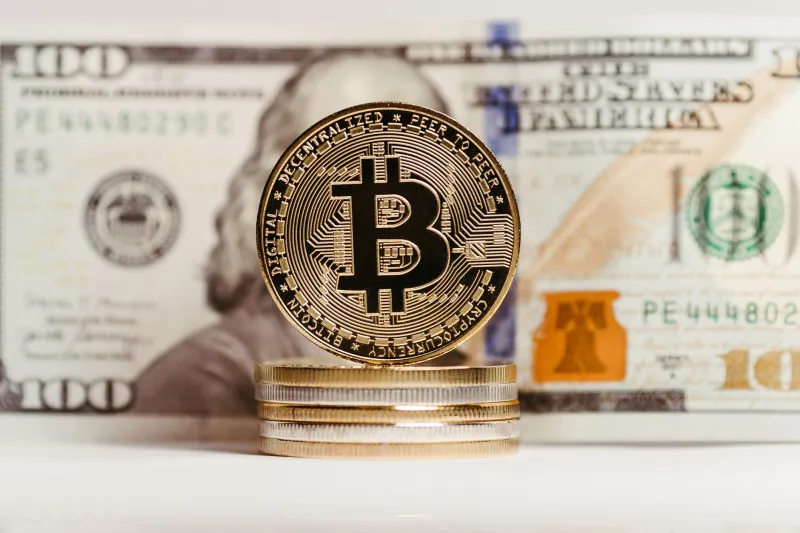
Not All Stable Is Created Equal: The Stablecoins That Actually Hold Up When Markets Implode
There's a quiet assumption most crypto bettors make when they park their winnings in a stablecoin: that it'll still be worth a dollar tomorrow. For a long time, that assumption held up just fine. Then 2022 happened, and a lot of people learned the hard way that "stable" is a promise, not a guarantee.
If you're using a crypto betting platform — depositing, withdrawing, holding funds between wagers — your choice of stablecoin matters more than most people realize. This isn't abstract finance theory. It's the difference between your bankroll surviving a market meltdown and watching it evaporate while you're just trying to bet on Sunday's game.
Let's break down what actually happened during the worst crypto crashes of recent years, which stablecoins held the line, and what US bettors should realistically be using right now.
When "Stable" Became a Cruel Joke: The UST and FTX Disasters
The most devastating stablecoin failure in history didn't involve some obscure token — it was TerraUSD (UST), once the third-largest stablecoin by market cap. In May 2022, UST lost its dollar peg in a matter of days, ultimately collapsing to near zero. Its sister token LUNA, which was supposed to backstop the system, became essentially worthless. People who had parked betting funds, savings, or trading capital in UST — thinking it was a safe harbor — lost everything.
The reason UST failed is important: it was an algorithmic stablecoin. It wasn't backed by actual dollars in a bank. It relied on a complex mint-and-burn mechanism to maintain its peg. When confidence cracked, the whole system unraveled in a death spiral. There was no reserve to draw from.
Then came FTX in November 2022. While FTX's collapse wasn't a stablecoin failure per se, it wiped out the balances of millions of users — including bettors — who had funds sitting on the exchange in USDT, USDC, and other assets. The lesson there wasn't about the stablecoins themselves; it was about custody. Funds sitting on a centralized platform aren't truly yours until they're in your own wallet.
These two events reshaped how serious crypto bettors think about where they hold their money between sessions.
USDT: The Most Used, The Most Questioned
Tether (USDT) is the dominant stablecoin in crypto betting. Most major platforms accept it, transaction fees are low, and liquidity is deep. On paper, it's backed 1:1 by dollar-denominated reserves. In practice, Tether has faced years of scrutiny over whether its reserves are fully backed and what those reserves actually consist of.
Here's the honest truth: USDT has never actually broken its peg in any sustained way. During every major market crash — 2018, 2020's COVID dump, the 2022 Terra collapse — USDT held at or very near $1. Brief deviations happened, but they corrected quickly.
That said, Tether's lack of full transparency is a real risk factor. If a regulatory action or audit ever forced a liquidity crisis, USDT holders could face problems. For US bettors specifically, Tether's legal and regulatory exposure in American markets adds an extra layer of uncertainty.
Bottom line: USDT is fine for short-term use — depositing, betting, withdrawing. Holding large amounts long-term carries more risk than most people acknowledge.
USDC: The Clean-Cut Option With One Ugly Footnote
USD Coin (USDC), issued by Circle, is widely considered the most transparent and regulated stablecoin available. It's regularly audited, backed by cash and short-term US Treasuries, and Circle has been proactive about regulatory compliance. For US bettors who care about legitimacy, USDC checks a lot of boxes.
But USDC had its own scary moment in March 2023, when Silicon Valley Bank collapsed. Circle revealed it had $3.3 billion of USDC reserves sitting at SVB. The coin briefly depegged to around $0.87 before the federal government announced it would backstop SVB depositors. Within days, USDC was back to $1.
The episode showed that even the "safest" stablecoin has exposure to traditional financial system risks. The good news: the depeg was temporary and USDC recovered fully. The takeaway: nothing is 100% bulletproof, but USDC's underlying structure and institutional backing make it one of the more resilient options available.
Bottom line: USDC is arguably the best choice for US bettors holding larger bankrolls. Its transparency and regulatory posture make it more defensible if things get weird.
DAI: Decentralized, Resilient, and Slightly Complicated
DAI, issued by the MakerDAO protocol, takes a different approach. It's a decentralized stablecoin — meaning no single company controls it. Instead, it's backed by a basket of crypto collateral (including USDC, ETH, and other assets) and governed by a community of token holders.
DAI survived the 2022 crash without breaking. It's maintained its peg through multiple brutal market cycles. Because it's decentralized, there's no single point of failure — no Tether reserves to question, no bank deposits to get frozen.
The tradeoffs: DAI isn't as widely accepted on betting platforms as USDT or USDC, and its peg maintenance system is more complex. If crypto collateral values dropped catastrophically and quickly, DAI could theoretically face stress. But its over-collateralization model and liquidation mechanisms have proven robust so far.
Bottom line: DAI is a solid option for bettors who prioritize decentralization and don't want exposure to centralized custodians. Acceptance on platforms is improving but still lags behind USDT and USDC.
What Smart US Bettors Are Actually Doing
The most pragmatic approach isn't picking one stablecoin and going all in — it's diversifying your stablecoin exposure based on what you're using the funds for.
- Active betting funds (short-term): USDT works fine here. The liquidity and platform acceptance are hard to beat. Just don't hold more than you need between sessions.
- Bankroll reserves (medium-term): USDC is the stronger choice. The transparency and regulatory standing offer more peace of mind for funds you're not actively cycling.
- Longer-term crypto holdings: Consider splitting between USDC and DAI. The decentralized component of DAI hedges against regulatory or custodial risks that USDC carries.
And regardless of which stablecoin you use — get your funds off centralized exchanges and into a self-custody wallet when you're not actively playing. The FTX collapse wasn't a stablecoin failure; it was a custody failure. Your wallet, your keys, your money.
The Bigger Picture for Crypto Bettors
The betting world moves fast, and most players don't want to think about monetary mechanics when they're focused on picking winners. But your stablecoin is the foundation your whole betting operation sits on. Getting it wrong doesn't mean losing a bet — it means losing your bankroll before you even place one.
The platforms worth using, including what we're building toward here at NawrozBet5, are designed with these realities in mind. Understanding the tools you're using isn't just nerdy financial homework — it's table stakes for anyone serious about crypto betting in 2025 and beyond.
Stay curious. Stay skeptical. And make sure the dollar you put in is still a dollar when you're ready to cash out.