Red Flags Before the Crash: How Seasoned Crypto Bettors See the Storm Coming
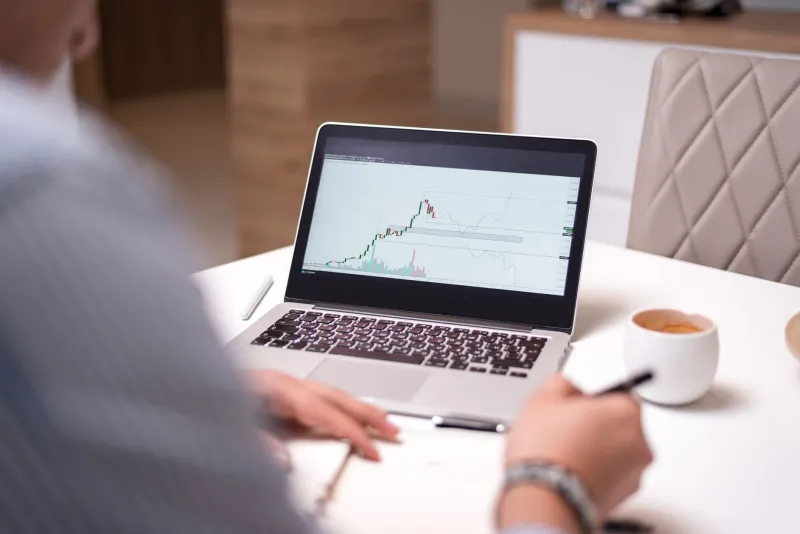
If you've been betting with crypto for any length of time, you already know the feeling. One morning you wake up, check your balance, and the number staring back at you looks like it belongs to a different person. A crash happened overnight, and your bankroll took the hit.
The frustrating part? For a lot of experienced players, that crash wasn't a surprise. They saw it coming.
At NawrozBet5, we talk to bettors across the US who treat market awareness as seriously as game-day research. And the ones who consistently protect their winnings? They've built what you might call a personal early warning system — a set of signals they monitor before things go sideways. Let's break down exactly what they're watching.
Why Crypto Bettors Can't Afford to Ignore Market Conditions
Here's something traditional sportsbook players don't have to think about: the money itself can lose value between the time you deposit and the time you withdraw. A $500 crypto balance that drops 30% overnight is now a $350 bankroll — and you haven't even placed a bad bet yet.
That's the double-edged reality of wagering with digital assets. The upside is real (crypto gains can pad your bankroll without a single bet), but the downside exposure is just as real. That's why sharp bettors treat market health as part of their overall betting strategy, not a separate concern.
Technical Indicators: The Charts That Actually Matter
You don't need to become a full-time trader to read a few key signals. Most experienced crypto bettors focus on a small handful of technical indicators rather than drowning in data.
The 200-Day Moving Average is probably the most widely referenced. When Bitcoin or Ethereum drops below their 200-day MA, it's a historically reliable sign that bearish momentum has taken hold. Multiple bettors we spoke with said this single line on a chart is their first trigger to reduce exposure.
RSI (Relative Strength Index) is another one worth bookmarking. An RSI reading above 70 suggests a market is overbought — potentially due for a correction. Below 30, it's oversold. Watching RSI divergence (when price makes a new high but RSI doesn't follow) is a favorite early warning signal among more experienced players.
Volume drops on green days are sneaky but telling. If the market is going up but trading volume is thinning out, that rally might not have legs. It's the kind of quiet signal that often precedes a sharp reversal.
On-Chain Metrics: What the Blockchain Actually Tells You
This is where crypto betting gets genuinely interesting — and where it diverges completely from traditional sports wagering. Blockchain data is public, and if you know what to look for, it can reveal a lot about what large holders are doing before the market reacts.
Exchange inflows are one of the most watched metrics. When large amounts of Bitcoin or ETH start moving onto exchanges, it typically signals that big holders are preparing to sell. Platforms like Glassnode and CryptoQuant track this in real time, and several bettors we spoke with check these numbers weekly as part of their routine.
SOPR (Spent Output Profit Ratio) measures whether coins being moved are in profit or at a loss. When SOPR drops below 1 and stays there, it means people are panic-selling at a loss — a classic sign of capitulation or continued bearish pressure.
Whale wallet activity is worth tracking too. There are free tools that alert you when wallets holding large amounts of crypto make significant moves. It's not foolproof, but it's free information that the market hasn't fully priced in yet.
Sentiment Analysis: Reading the Room
Markets move on emotion as much as fundamentals, and crypto markets are especially susceptible to crowd psychology. A few sentiment tools have become staples in the smart bettor's toolkit.
The Crypto Fear & Greed Index is the quickest gut-check available. When it reads "Extreme Greed" for several consecutive days, history says a cooldown is likely coming. When it swings to "Extreme Fear," it can signal a potential bottom — though timing that is notoriously difficult.
Social media velocity matters too. When a coin or the broader market suddenly floods Twitter, Reddit, or Discord with excited retail investors who normally don't talk about crypto — that's often a late-stage signal. The smart money tends to exit right as the mainstream crowd piles in.
One bettor based in Texas put it plainly: "When my coworkers start asking me about buying crypto, I start thinking about how to protect what I've got."
Building Your Personal System: A Practical Framework
The goal isn't to predict crashes perfectly — nobody does that consistently. The goal is to reduce your exposure before a major downturn hits your betting balance hard. Here's a simple structure that experienced NawrozBet5 players have described:
Weekly check-in (15 minutes):
- Check BTC and ETH against their 200-day moving averages
- Review the Fear & Greed Index
- Scan exchange inflow data on CryptoQuant or Glassnode
Yellow flag protocol: If two or more warning signals align, consider reducing your active betting balance by 20-30%. Move excess to a stablecoin or withdraw to fiat temporarily.
Red flag protocol: If technical signals, on-chain data, AND sentiment all point bearish simultaneously, pull back significantly. This isn't about quitting — it's about having chips to play with when conditions improve.
Protecting Winnings Without Sitting on the Sidelines
The best crypto bettors aren't the ones who go completely cold during volatile periods. They're the ones who manage exposure intelligently. That might mean sticking to smaller bet sizes during uncertain markets, focusing on lower-variance wager types, or keeping a larger percentage of their balance in stablecoins while still staying active.
NawrozBet5 is built for players who want to stay in the game through all kinds of market conditions. The platform supports multiple crypto assets, giving you flexibility to shift your balance composition based on what the market is doing — without having to step away from the action entirely.
The crash will come eventually. It always does. But with the right signals on your radar, you don't have to be the one caught off guard.