Pocket Change, Real Progress: Why $5 Bets Are Building Better Crypto Gamblers

Photo: Dodge, Louis, 1870-, No restrictions, via Wikimedia Commons
There's a certain kind of American bettor who got priced out of the game somewhere along the way. Maybe it was the guy in Ohio who used to drop $100 a Sunday on NFL parlays before rent went up. Maybe it's the college kid in Arizona with $40 in USDT and a dream. For years, the industry message was clear: come back when you've got a real bankroll.
Micro-betting just told that message to get lost.
The Math Nobody Wants to Hear
Here's the uncomfortable truth about big bets: variance eats them alive. A $200 slip is a coin flip against your month. A $5 slip is a rounding error — which means it's also a data point.
Betting small and often does something counterintuitive. It flattens variance enough that your actual decision-making shows up in the results. Make 40 micro-bets in a month and you've got a sample size. Make four big ones and you've got a mood swing.
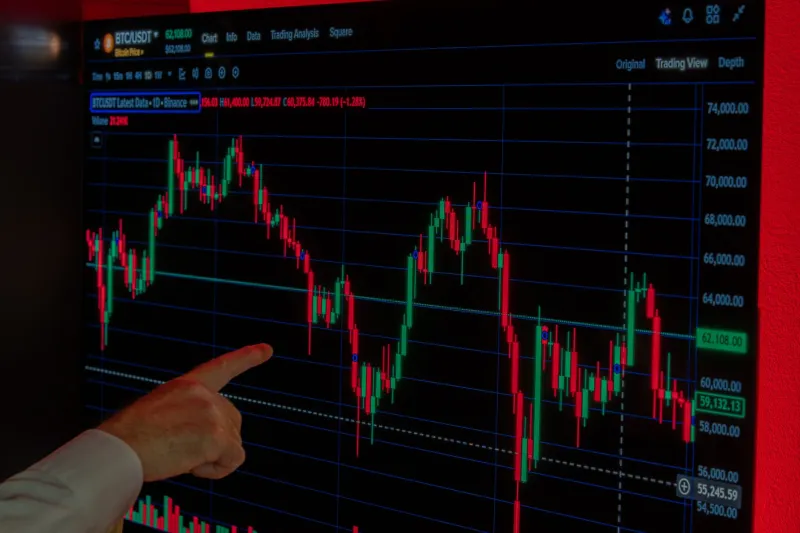
The compounding effect is where it gets interesting. A bettor who turns $5 into $5.60 consistently is running a 12% ROI. Scale that discipline across a season of hundreds of wagers, and the balance graph starts looking like something the whales would respect — built entirely out of pocket change.
Which Markets Actually Work for Micro-Strategies
Not every bet type suits the small-stakes grind. The best fits:
- Live in-game props. Next possession, next point, next penalty. Fast resolution means fast feedback and fast bankroll cycling.
- Moneylines in niche markets. MLS, WNBA, UFC prelims — places where the books' attention (and the public's) is thinner.
- Second-half and period bets. You get to watch the first half for free information before committing your five bucks.
What you want to avoid at micro stakes: anything with a long hold time or a brutal vig. A five-leg parlay at $5 is entertainment, not strategy. That's fine — just know which one you're buying.
Why 'Bet Small, Bet Often' Beats the Deposit Boost
Deposit bonuses are marketing. Micro-discipline is a system. The bonus crowd chases a 100% match, blows through it in a weekend, and repeats. The micro bettor treats their bankroll like a subscription — low monthly cost, steady engagement, no emotional spikes.
There's also a psychological angle. It's hard to tilt over $5. Losses sting just enough to keep you honest but never enough to make you chase. Crypto rails make this viable in a way old banking never did: you can deposit $25 in USDT without fees eating you alive, and withdraw a $60 profit without a minimum-threshold fight.
The Grind Is the Point
Micro-betting won't make you rich by Friday, and that's exactly the pitch. It builds the one thing most bettors never develop: a track record. When you eventually scale up, you're not guessing — you've got a season of data on your own habits, your best sports, your worst hours.
Start small. Stay boring. Let the compounding do the talking.